
JETON NEZIRAJ

Jeton Neziraj is the former artistic director of the National Theater of Kosovo, and the founder and current director of Qendra Multimedia. He has written more than 25 plays that have been translated into many languages, including French, Italian, German, English, Spanish, Turkish, Kurdish, Polish, Romanian, Bulgarian, Serbian, Bosnian, Croat, Slovenian, Macedonian, and Montenegrin. They have been presented at festivals and been performed by a great number of theaters and acting companies, such as Volkstheater (Vienna), L’Espace d’un instant (Paris), Teater de Vill (Stockholm), Festival Vie (Modena), Schlachthaus Theater (Bern), Gerald W. Lynch Theater (New York), Gare au Théâtre (Paris), Theater Heilbronn (Heilbronn), Bitef Theatre (Belgrade), Theater Nomad (London), Markus Zohner Theater Company (Lugano), Istanbul Municipal Theater, The National Theater of Wales (Cardiff), City Garage Theatre (Santa Monica), Hessisches Staatstheater Wiesbaden (Wiesbaden), Yale Drama Coalition (New Haven), La MaMa ETC., (New York), The National Theater of Montenegro (Podgorica), and International Theatre Festival MESS (Sarajevo). In 2018 the office of the European Union in Kosovo conferred the European of the Year award, and in 2021 he was presented the International Theatremakers Award by Playwrights Realm in New York. His play, The Handke Project, was given the prestigious Journées de Lyon des Auteurs de Théâtre prize of 2024, and he won Kosovo’s National Drama award, “Katarina Josipi,” in both 2023 and 2024.
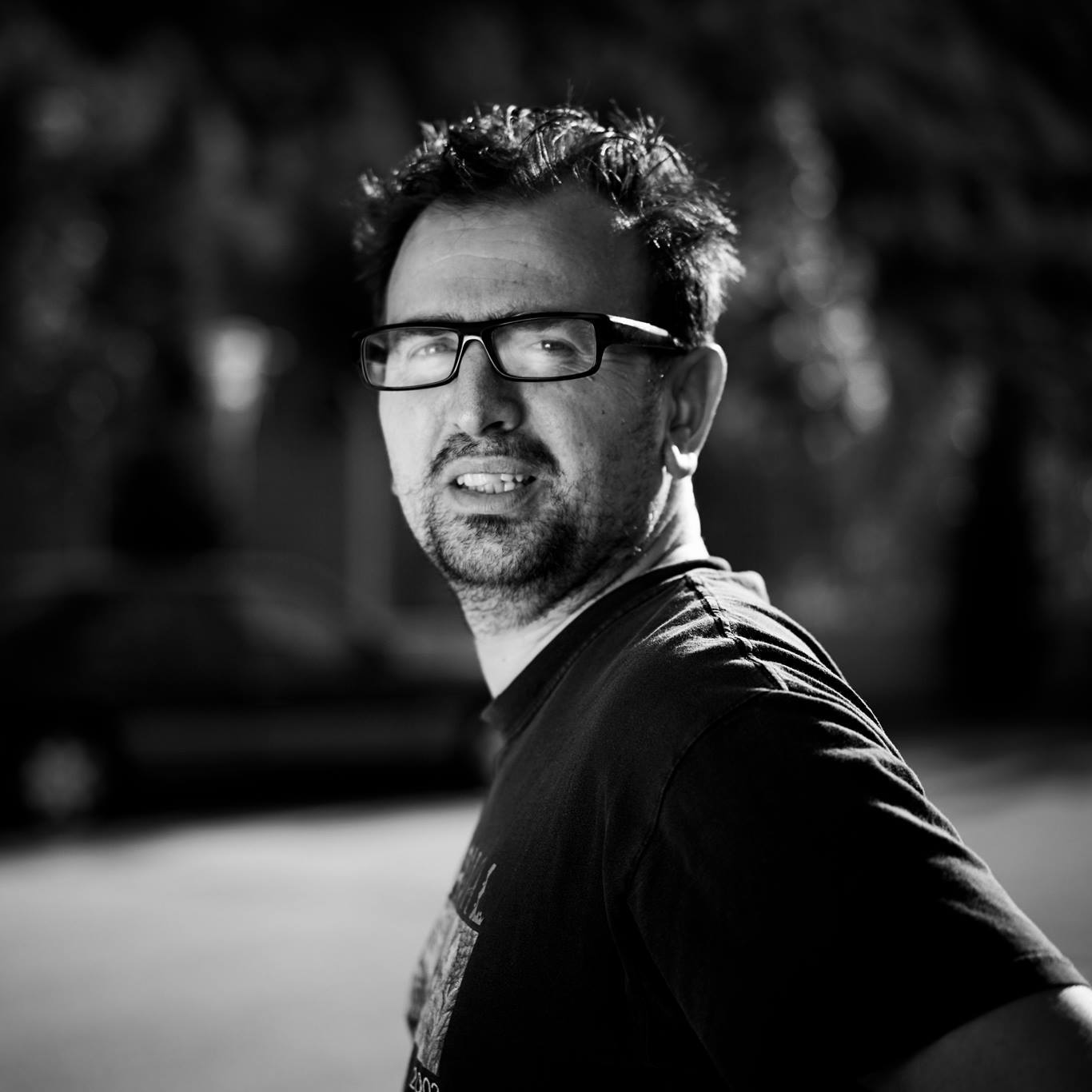
Dusan Komarcevic: In an interview, you said that you belong to a small number of artists who are not under the control of the Kosovo authorities, and that it is because of this that you are free to awaken people’s “feelings for others.” How did this come about?
Jeton Neziraj: It isn’t such a mystery. I can explain with a short story. As a child, in elementary school, I had a Serbian teacher who taught us the Serbian language. We called the teacher Bora. He was a good man. He’s still alive, but I haven’t seen him for over 25 years. During the war I often asked myself: what if I were to find myself facing my teacher, Bora? Could I kill him? No, I told myself. Could he kill me? In every variation I could think of, the answer was: No. Then, after the war I made many Serbian friends, and I was sure that if, hypothetically, I were to meet them in some circumstance of war, I would not be able to kill them. Nor would they kill me. And so, I started with these sorts of naïve thoughts and questions, and then later I formulated some more sophisticated positions on the shared sense of suffering and pain of the Other; on pain which, when stripped of all its tags, is simply human pain; on suffering that has no religion, nationality, or homeland, but is just suffering. It is that simple! Don’t you think?
from Kosovo 2.0